 The UN Office of Drug Control (UNODC) has thoroughly documented the violence, crime, and corruption linked with the worldwide heroin and opium trade.
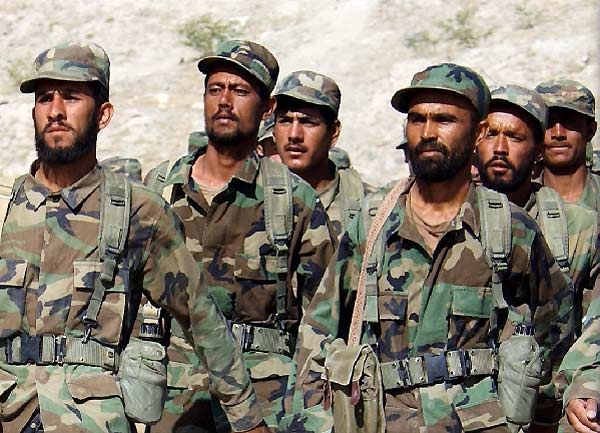
The U.S. news media report every day on the mayhem and corruption of government officials caused by the drug wars in Mexico, Colombia, and other points south of our border. In Afghanistan, the Taliban tax the opium trade and protect poppy farmers from eradication, fueling the insurgency and our 11-year war.
However, these problems are all consequences of drug prohibition, not of the drugs themselves. In legal terms, drugs are malum prohibitum (wrong because prohibited by law) rather than malum in se (inherently wrong, such as theft or murder). During the U.S. experiment with Prohibition (1920-1933), alcohol was malum prohibitum; as soon as it was legalized, it again became a normal regulated, traded, and taxed consumer product.
We need to rethink our prohibition of drugs. What problem are we trying to solve by making drugs illegal? Have we chosen the most effective and affordable solution? Are the collateral consequences worth it?
We should start with the premise that neither demand for drugs nor the drugs themselves can be eliminated. UNODC estimates the ultimate street value of drugs originating in southern Afghanistan, primarily Helmand and Kandahar, as $68 billion. Where there is demand, there will be supply. If Afghan supplies were reduced, production would simply move elsewhere—as it did when it moved into Afghanistan in the 1980s after being pushed out of Southeast Asia’s Golden Triangle.
– Read the entire article at AlterNet.